

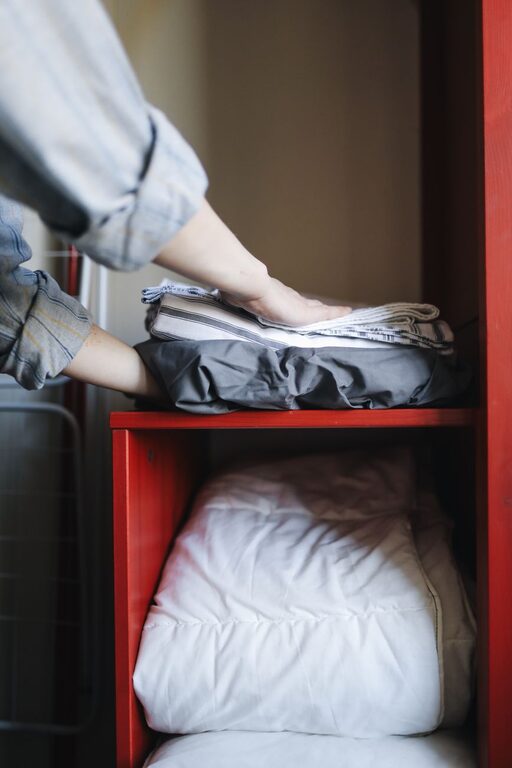
A tidy closet can make everyday routines easier, from choosing an outfit in the morning to putting laundry away at the end of the day. The key is not simply making everything look neat once. A well-organized closet should also be easy to maintain.
With a few practical changes, you can make better use of your space and create a system that works for your habits. Use these tips to organize your closet and keep it that way.
Start With a Complete Reset
Before organizing shelves, buying storage bins, or rearranging hangers, remove everything from the closet. Working with an empty space makes it easier to see what you own and how much room you actually have.
Place clothing and accessories in a clear area, such as a bed or clean floor. Then wipe down shelves, vacuum the floor, and dust corners. Starting with a clean closet creates a fresh foundation for the rest of the process.
As you remove each item, sort it into groups:
– Keep
– Donate
– Repair
– Recycle
– Move to another room
– Decide later
Try to avoid creating a large “decide later” pile. If you are unsure about an item, ask yourself whether you have worn it recently, whether it fits comfortably, and whether it suits your current lifestyle.
Keep Only What You Use
A closet becomes difficult to manage when it holds more clothing than you regularly wear. You do not need to follow a strict wardrobe rule, but it helps to be honest about what deserves valuable space.
Consider letting go of items that:
– No longer fit your style or daily needs
– Do not fit well or feel comfortable
– Have not been worn in a long time
– Need repairs you are unlikely to complete
– Are damaged beyond reasonable use
– Duplicate items you already own
– Belong to a past season or lifestyle
If you are unsure about something, place it in a labeled box for a set period. If you do not look for it during that time, it may be easier to donate or pass it along.
Keep sentimental pieces separate from everyday clothing. This prevents special items from taking up prime closet space while still allowing you to preserve them thoughtfully.
Group Similar Items Together
Once you have narrowed down your collection, return items to the closet by category. Grouping similar pieces makes it easier to find what you need and spot duplicates.
Useful categories may include:
– Shirts and blouses
– Sweaters
– Pants and jeans
– Dresses and formalwear
– Jackets and coats
– Workout clothing
– Sleepwear
– Accessories
– Shoes
Within each category, you can organize by color, length, or frequency of use. For example, arrange shirts from light to dark or place your most-worn items at the front of the section.
Choose one method that feels natural. The best system is the one you can follow without much effort.
Make Everyday Items Easy to Reach
Place the clothing and accessories you use most often in the easiest-to-reach areas. Keep everyday shirts at eye level, frequently worn shoes near the front, and regular accessories in an accessible drawer or tray.
Less-used items can go on higher shelves or toward the back of the closet. Seasonal pieces, formal clothing, and special-occasion accessories may be stored in less convenient locations.
Avoid placing everyday items in difficult-to-reach containers. If you have to move several boxes to reach a pair of shoes, you are more likely to leave items out or forget what you own.
Use Matching Hangers
Matching hangers can make a closet look more orderly and help clothing hang at the same height. Slim hangers may also create more hanging space, but choose sturdy options for heavier items such as coats and jackets.
Use the same type of hanger for similar clothing when possible. For example, shirts can share one style while heavy outerwear uses stronger hangers.
Leave a little space between garments rather than filling the rod completely. This makes it easier to browse your clothing and return items to their proper places.
For delicate or slippery garments, use hangers with textured surfaces or special supports. Avoid overcrowding, which can cause wrinkles and make clothing harder to remove.
Use Vertical Space
Many closets have unused space above hanging rods, below shelves, or on the back of the door. Make the most of these areas with simple storage solutions.
Helpful options include:
– Stackable shelf organizers
– Hanging shelf units
– Over-the-door hooks
– Small baskets
– Drawer dividers
– Shoe racks
– Hooks for bags and scarves
Use vertical storage carefully. Heavy items should be placed on sturdy shelves, while lighter accessories can go in hanging organizers or baskets.
Do not fill every open space. A small amount of room makes it easier to retrieve items and keeps the closet from feeling crowded.
Store Seasonal Items Separately
Rotating clothing by season can give you more room and make daily dressing simpler. At the end of a season, wash or clean clothing according to its care instructions before storing it.
Use clearly labeled containers for items that will not be needed for several months. Store these containers on high shelves, under the bed, or in another suitable storage area.
Labels should be easy to read and specific enough to identify the contents. “Winter clothing” is useful, while “miscellaneous” does not tell you much.
Before putting items away, check for stains, missing buttons, or small repairs. Taking care of these details first means the clothing will be ready when you need it again.
Organize Shoes and Accessories
Shoes and accessories can quickly create clutter because they come in many shapes and sizes. Give each type of item a defined home.
Keep shoes in pairs and arrange them by use, season, or type. Frequently worn shoes should be easy to reach, while special-occasion pairs can be stored farther back.
For accessories, use small bins, trays, hooks, or drawer dividers. Consider these simple arrangements:
– Hang scarves on hooks or a dedicated hanger
– Keep belts together in a small basket
– Store jewelry in a divided tray
– Place handbags upright on a shelf
– Use a small container for hair accessories
When every item has a specific location, tidying up becomes a quick task instead of a large project.
Create a Simple Laundry Routine
Laundry can undo an organized closet if clean clothes remain in baskets or are placed wherever there is room. Create a routine for folding, hanging, and putting items away.
Hang clothing that wrinkles easily as soon as it is dry. Fold casual items and return them to the correct drawer or shelf. If something needs a repair or stain treatment, keep it in a clearly marked location rather than returning it to regular clothing.
A useful rule is to avoid starting another laundry load until the previous one has been put away. This keeps clean clothing from becoming a second source of clutter.
Use the One In, One Out Rule
When you add a new item, consider removing something similar. For example, if you buy a new sweater, review your existing sweaters and decide whether one is no longer needed.
This rule does not have to be strict, but it can help prevent your closet from slowly becoming overcrowded. It also encourages thoughtful purchases and makes you more aware of how much you already own.
Do a Quick Weekly Reset
A closet does not need a full reorganization every week. A short reset is usually enough to maintain order.
Once a week, spend a few minutes on the following tasks:
– Return misplaced clothing
– Pair and organize shoes
– Hang items that were left on a chair
– Fold anything that has become untidy
– Remove empty packaging or unwanted items
– Check that drawers and shelves are not overcrowded
Small, regular efforts are easier than waiting until the closet becomes difficult to use.
Build a System That Fits Your Life
The most effective closet organization system is practical, not perfect. If you prefer folding clothes instead of hanging them, create more shelf or drawer space. If you use certain accessories every day, keep them near the door. If you often change outfits, leave a small area for items that are still clean and can be worn again.
Pay attention to where clutter tends to return. That spot may need a hook, basket, hamper, or better category. Instead of blaming yourself for the mess, adjust the system to make the correct action easier.
A tidy closet is maintained through simple decisions: keep useful items, give everything a home, and return belongings after use. With a little planning and a few consistent habits, your closet can stay organized long after the initial cleanout.