

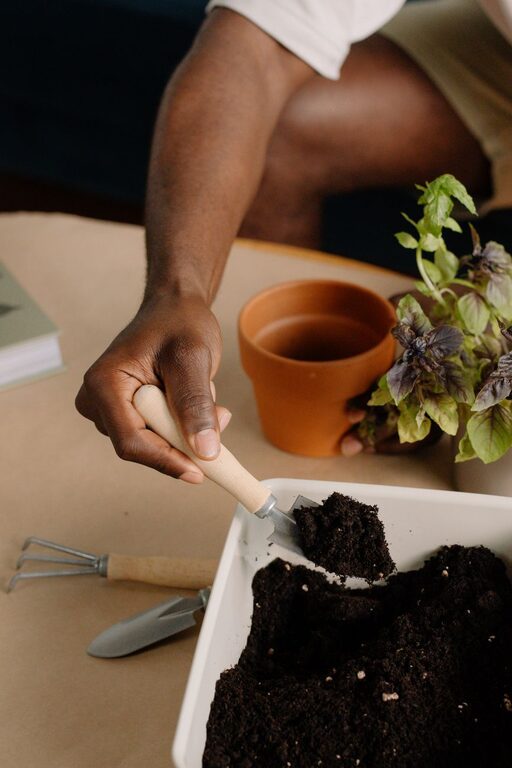
Growing herbs indoors is a simple way to add fresh flavor, greenery, and a sense of accomplishment to your home. You do not need a large space or advanced gardening skills to get started. A sunny windowsill, a few containers, and regular care are enough to create a small herb garden that can provide useful harvests throughout the year.
Whether you live in an apartment or want fresh herbs close to the kitchen, indoor gardening is a convenient and rewarding project. The key is choosing suitable herbs, providing enough light, and avoiding common problems such as overwatering.
Choose the Right Location
Start by selecting the best location for your herb garden. Most culinary herbs need several hours of bright light each day, so a sunny windowsill is often the easiest choice.
A south-facing window usually provides the most sunlight, while an east- or west-facing window may also work well. North-facing windows often have less direct light, especially during winter.
Look for a location that is:
– Bright for at least four to six hours a day
– Close to the kitchen for easy harvesting
– Away from cold drafts and heating vents
– Large enough to hold containers safely
– Easy to clean if water spills
If natural light is limited, consider using a small grow light. Place the light above the plants and follow the manufacturer’s instructions for distance and daily use. A grow light can help herbs stay healthy in darker rooms or during short winter days.
Select Beginner-Friendly Herbs
Some herbs adapt to indoor growing more easily than others. Begin with varieties that grow well in containers and do not require a large amount of space.
Good options for beginners include:
– Basil
– Chives
– Parsley
– Mint
– Oregano
– Thyme
– Cilantro
– Rosemary
Basil grows quickly and needs plenty of light and warmth. Chives are compact and easy to harvest. Parsley grows more slowly but can produce leaves for a long time. Mint is vigorous and is best grown in its own container because it can spread quickly.
Thyme, oregano, and rosemary prefer bright light and soil that dries slightly between waterings. Cilantro can be grown indoors, although it may eventually produce flowers and seeds. Choose herbs based on the flavors you use most often so your garden remains practical.
Gather the Essential Supplies
You only need a few basic supplies to begin:
– Containers with drainage holes
– Small saucers or trays
– Indoor potting mix
– Herb seeds or young plants
– A watering can or small cup
– Plant labels
– A sunny location or grow light
Choose containers that are at least four to six inches wide for small herbs. Larger plants, such as rosemary or mint, may need more room as they grow. Make sure every container has a drainage hole. Without drainage, excess water can collect around the roots and cause problems.
Saucers placed under the containers help protect windowsills, shelves, and countertops from water. Empty the saucers after watering if they collect a large amount of excess moisture.
Decide Between Seeds and Starter Plants
You can begin with seeds, young plants from a garden center, or a combination of both.
Seeds are inexpensive and offer a wide selection of varieties. They also allow you to observe the entire growing process. However, seeds require patience and may take several weeks to produce enough leaves for harvesting.
Starter plants provide a quicker beginning. They are useful if you want to harvest herbs soon or prefer a simple setup. Inspect plants before bringing them home. Look for healthy green leaves, sturdy stems, and no visible insects or damaged growth.
If you choose seeds, read the instructions on the packet. Planting depth, spacing, and germination time vary by herb. Avoid planting seeds too deeply, as small seedlings may struggle to reach the surface.
Use the Right Soil and Containers
Regular garden soil is often too heavy for indoor containers. Instead, use a lightweight indoor potting mix that allows air and water to move around the roots.
Fill each container without packing the soil too tightly. Leave a small amount of space at the top so water does not overflow. If you are planting several herbs together, group plants with similar needs. For example, thyme and oregano prefer conditions that are somewhat drier, while basil usually enjoys more consistent moisture.
Keep mint in a separate pot. Its roots can spread quickly and compete with other herbs for space.
Plant Your Herbs
To plant a young herb, gently loosen the roots if they are tightly packed. Place the plant in the container so the top of the root ball is level with the surrounding soil. Add potting mix around the sides and press it lightly into place.
Water the plant slowly after planting. Stop when a small amount of water begins to drain from the bottom. This helps settle the soil around the roots.
For seeds, follow the recommended spacing on the packet. Lightly cover the seeds with soil, label the container, and keep the surface gently moist until seedlings appear. Once the seedlings have several sets of leaves, remove weaker plants if they are crowded.
Create a Simple Care Routine
Consistent care is more important than constant attention. Check your herbs every day or two, but water only when needed.
Water Carefully
Before watering, touch the top layer of soil. If it feels dry, add water slowly. If it still feels damp, wait another day and check again.
Overwatering is one of the most common indoor gardening mistakes. Herbs do not need to sit in wet soil. Water thoroughly, then allow excess water to drain away.
Different herbs have different preferences:
– Basil and parsley usually prefer evenly moist soil.
– Thyme and oregano like the soil to dry slightly between waterings.
– Rosemary prefers good drainage and less frequent watering.
– Chives need regular moisture but should not remain waterlogged.
Provide Enough Light
Plants that do not receive enough light may become tall, thin, and pale. Turn containers every few days so all sides receive similar exposure. If growth remains weak, move the herbs closer to a brighter window or add a grow light.
Feed Occasionally
Many indoor herbs can grow well for a while without fertilizer. If growth slows after several weeks, use a general-purpose indoor plant fertilizer according to the package directions. Avoid applying more than recommended, since excess fertilizer can damage roots.
Harvest Herbs the Right Way
Regular harvesting encourages many herbs to produce fresh growth. Use clean scissors or snips, and take only what you need.
For leafy herbs such as basil, cut just above a pair of leaves. This encourages the plant to branch out. Chives can be trimmed close to the base. Parsley stems should be removed from the outside of the plant rather than cutting only the leaf tops.
Do not remove more than about one-third of a plant at one time. Leaving plenty of healthy growth helps the herb recover and continue producing.
Harvest in the morning when the leaves are fresh. Use the herbs immediately, or store them briefly in the refrigerator according to the herb’s needs.
Solve Common Problems
Indoor herbs may occasionally develop issues, but many problems are easy to correct.
Yellow leaves: The plant may be receiving too much water or not enough light. Check the soil and move the container if necessary.
Long, weak stems: This usually indicates insufficient light. Place the herb in a brighter location or use a grow light.
Dry, crispy leaves: The plant may need more water, higher humidity, or protection from a heating vent.
Small insects: Isolate the affected plant and gently rinse the leaves. Remove badly damaged growth and monitor the plant regularly.
Slow growth: Check the light, container size, soil moisture, and room temperature. Some herbs naturally grow more slowly during cooler months.
Expand Your Indoor Herb Garden
Once you are comfortable caring for a few herbs, add new varieties gradually. Avoid filling every available space at once. A small garden is easier to maintain and allows you to learn what works best in your home.
Keep notes about watering, light, and harvests. These simple records can help you identify patterns and improve your results over time. With the right setup and a regular routine, an indoor herb garden can provide fresh, useful plants in every season.